C & Z Purlins in Solar Mounting: Sizes, Material and Load Calculations
Everything engineers need to know about C and Z purlins for solar structures: profile geometry, section properties, steel grades, spacing and common pitfalls.
TL;DR — Key Takeaways
- Category:
- Components
- Reading time:
- 7 min read
- Published:
- September 27, 2026
- Topics:
- C purlin · Z purlin · solar structure steel · purlin load calculation
- In short:
- Everything engineers need to know about C and Z purlins for solar structures: profile geometry, section properties, steel grades, spacing and common pitfalls.
C and Z purlins are the hidden skeleton of most solar structures — the horizontal members that carry panel loads back to the main frames. Getting their size and spacing right determines both cost and whether the structure survives wind and snow.
C vs Z purlin: what is the difference?
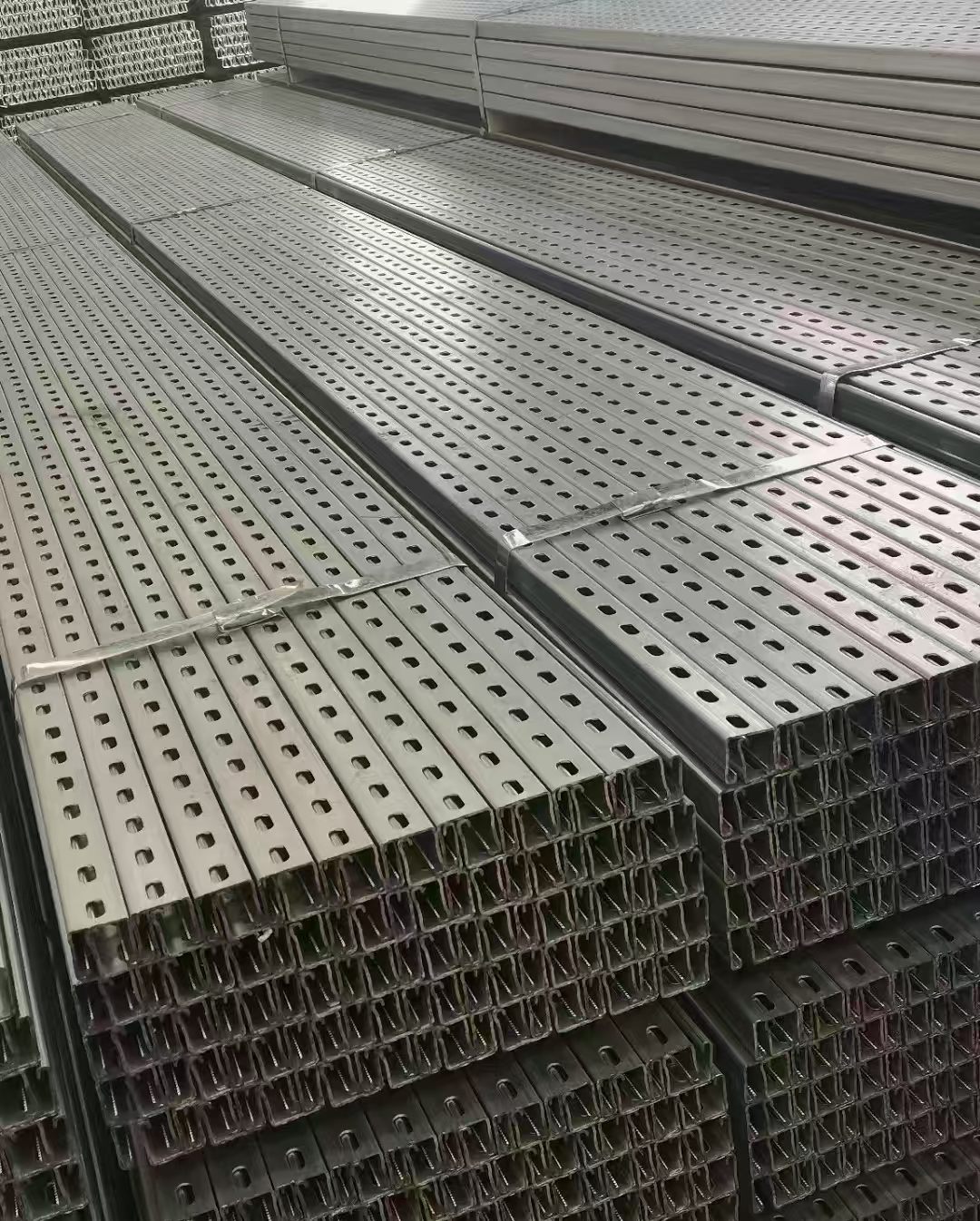
C (channel) purlins have a C-shaped cross-section and are used where members butt against supports — common in ground mount frames and building retrofits. Z purlins have a Z-shaped section and are designed to lap (overlap) at joints, which makes them more efficient for continuous spans. For solar mounting, both are produced by roll-forming from galvanized steel coil.
| Feature | C purlin | Z purlin |
|---|---|---|
| Cross-section | C-shaped (channel) | Z-shaped |
| Span efficiency | Good for simple spans | Better for lapped continuous spans |
| Lapping at joints | Not typical | Designed to overlap |
| Common use in solar | Ground mount rails, building steel | Long roof and ground runs |
| Roll-forming cost | Similar | Similar |
Typical sizes in solar projects
- ▸C80–C220: standard channel depths used for module rails and light frames
- ▸Z140–Z250: common depths for mid-size ground mount purlins
- ▸Wall thickness: 1.5–3.0 mm, hot-dip galvanized or Galvalume coated
- ▸Custom lengths: roll-formed up to 12 m, cut and drilled per drawing
Steel grades and coatings
Solar purlins are typically formed from Q235B or Q355B structural steel with hot-dip galvanized coating (minimum 85 μm for outdoor solar exposure). Some projects use pre-painted Galvalume (AZ150) coil, which performs well in coastal air. Matching the coating to the site environment is the single most important corrosion decision — under-specified coating fails at the cut edges and bolt holes first.
Load calculation essentials
Purlin sizing starts with the tributary width (panel row width each purlin supports), then applies the wind and snow loads from the local code. The critical checks are: bending stress under combined loads, deflection (commonly limited to span/150 for solar), local buckling at web crippling points, and the fastener pull-through at the panel connection. Software like ClearCalcs or a supplier’s table of section properties makes this fast — but the input loads must come from a real site assessment.
Common pitfalls
- ▸Using building-industry purlin tables without adjusting for solar panel wind uplift
- ▸Ignoring the weaker minor-axis capacity when purlins are not braced
- ▸Specifying Galvalume where salt spray demands HDG or duplex
- ▸No provision for thermal expansion in long runs (over 12 m)
- ▸Cheap fasteners: self-drilling screws of poor grade corrode and back out
Sourcing and quality control
- ▸Ask for mill certificates showing grade and coating weight
- ▸Verify section dimensions with a caliper at site receiving
- ▸Check that bolt holes are punched, not drilled with burrs
- ▸Confirm the roll-former’s tolerance (±1 mm typical on depth)
Getting purlins right for your project
HAOQIN roll-forms C and Z purlins to project drawings with certified Q235B/Q355B galvanized coil, punched holes and cut-to-length service. Send your section sizes and quantities for a same-week quotation.
Need a structure engineered for your site?
Send us your project details for load calculations, configuration and pricing.